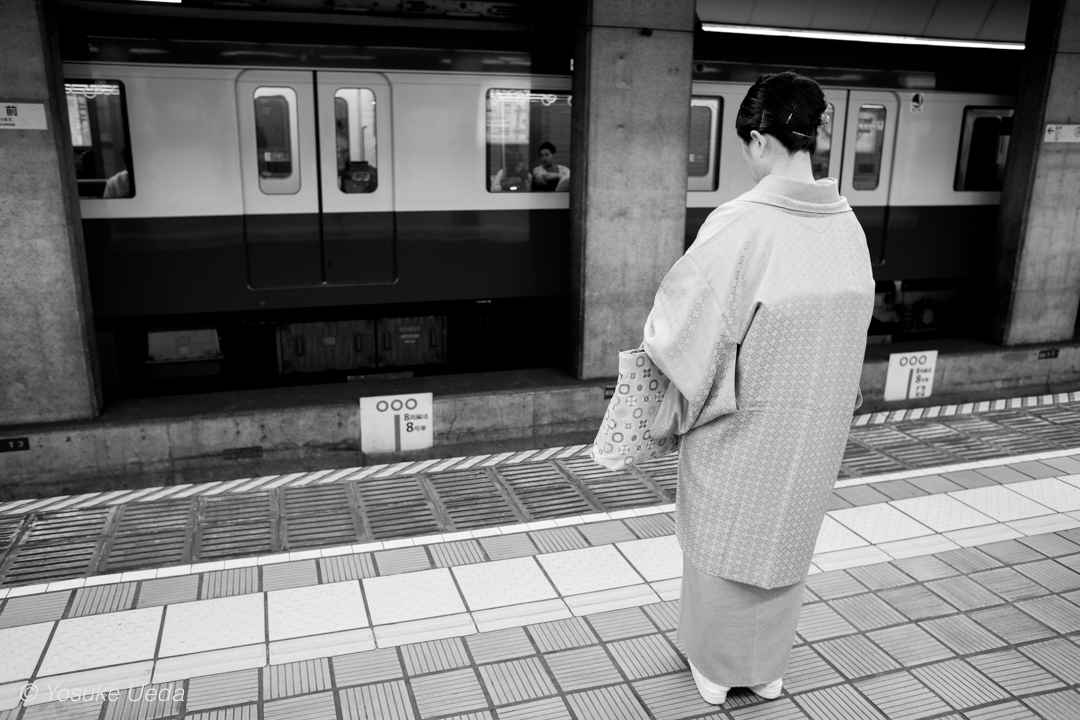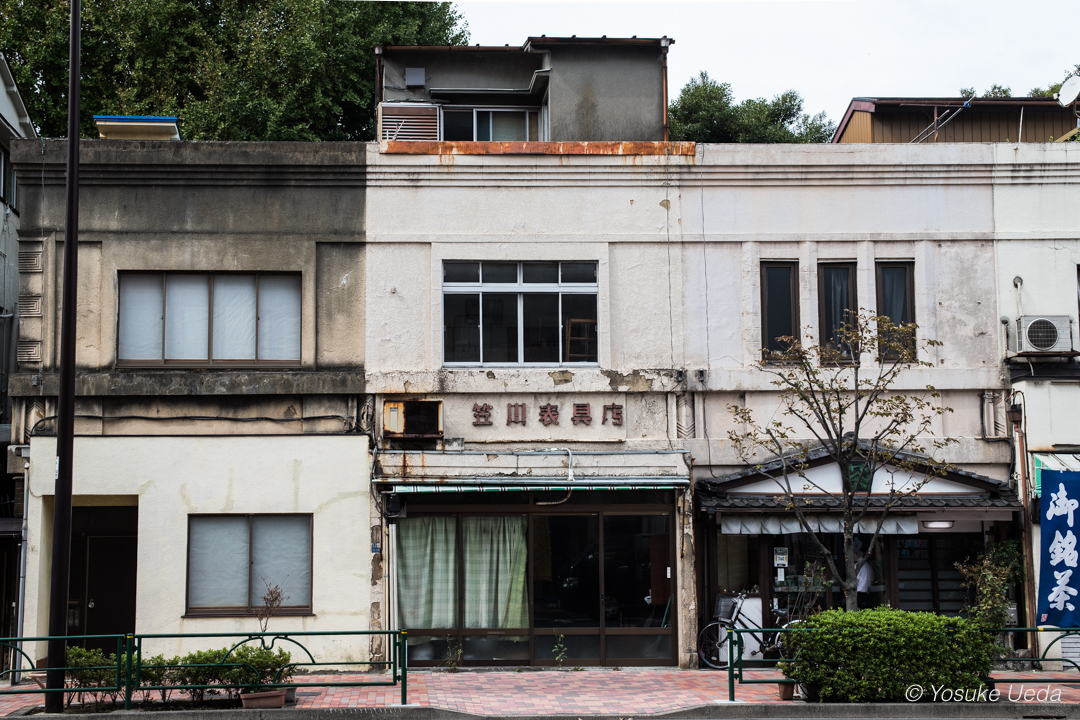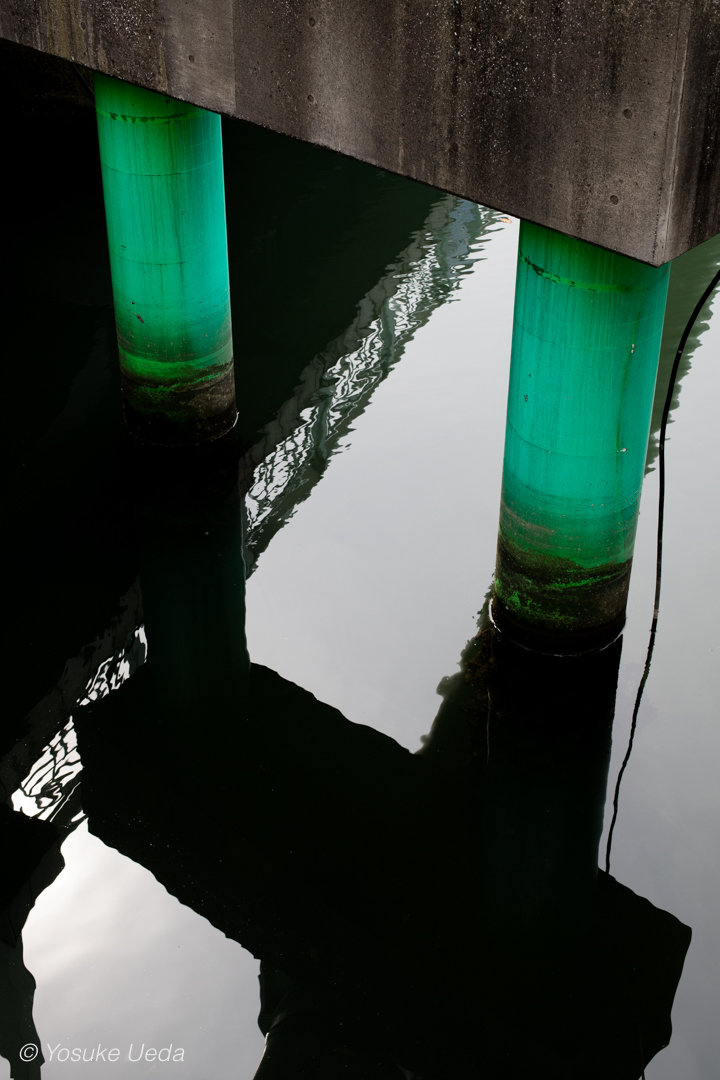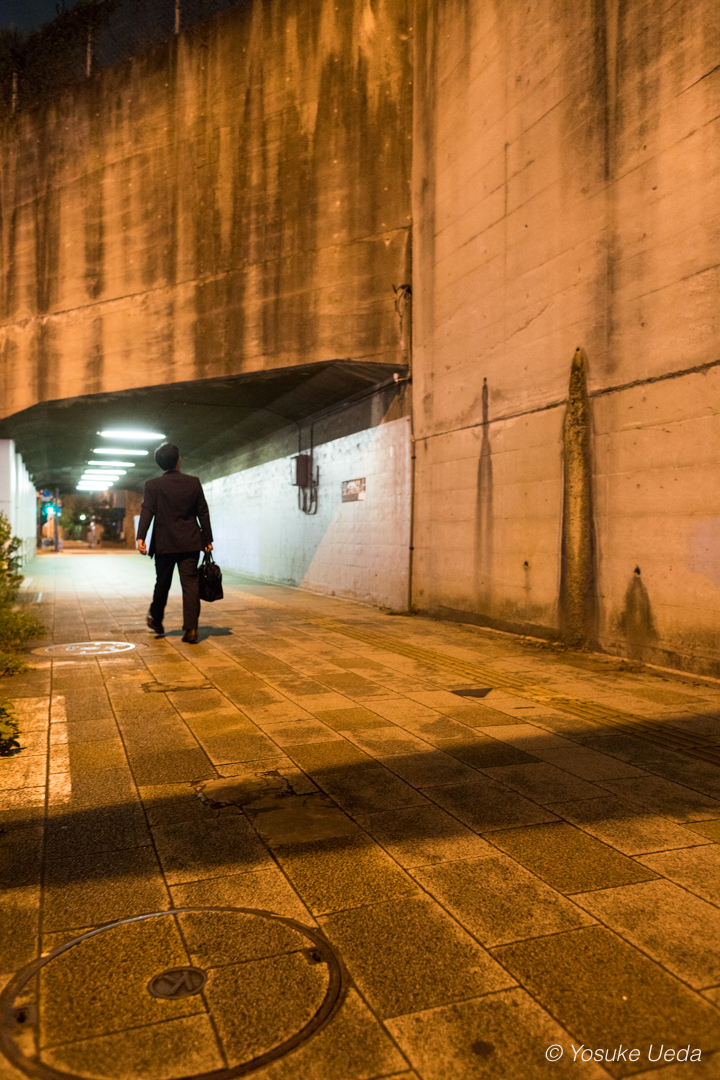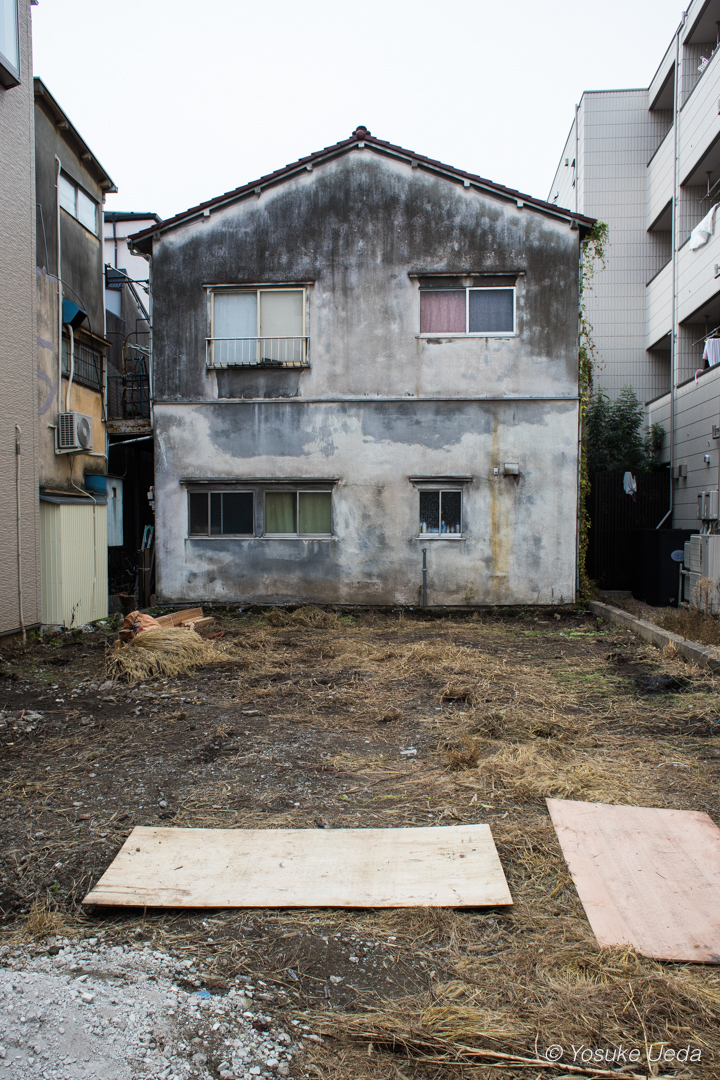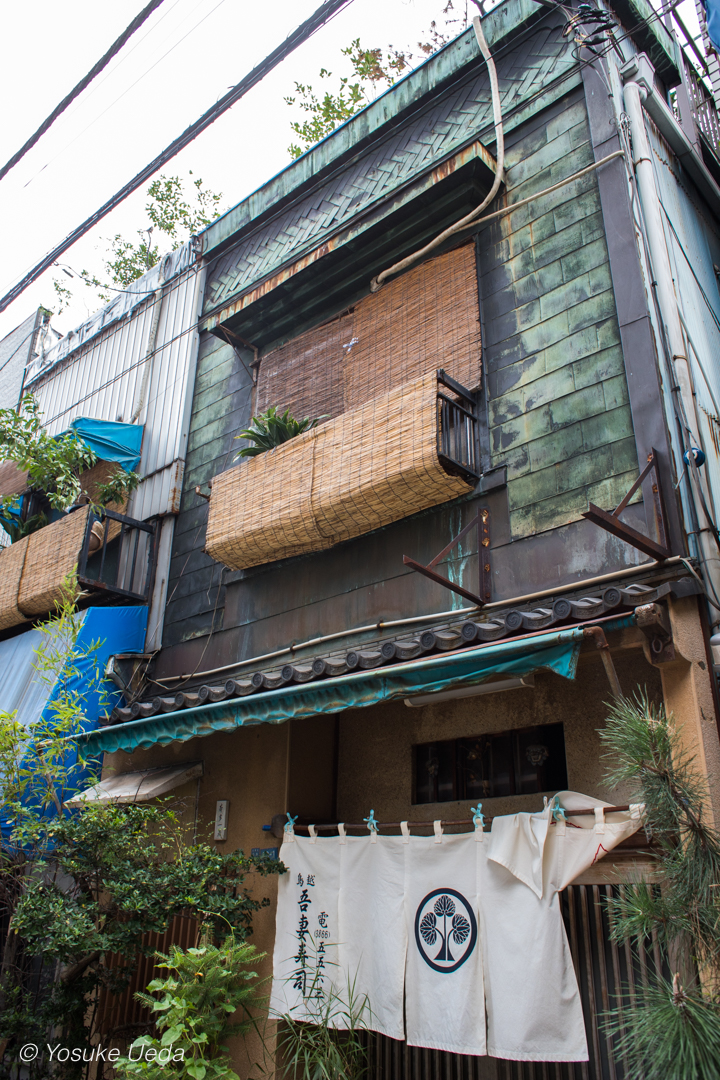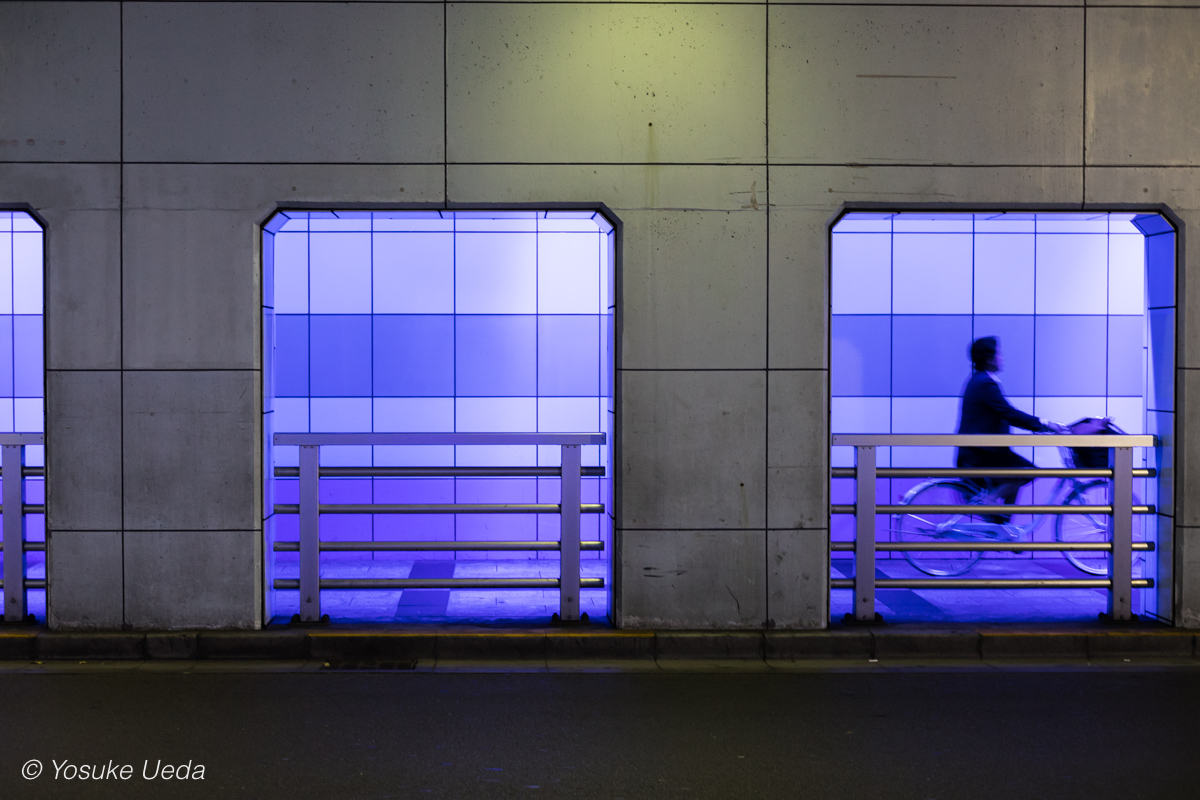
I was in Tokyo last week to attend my grand mother’s funeral. The ceremony and formality were done within a couple days of my arrival, so I had a few days to wander around the downtown area, where my grandmother had lived and I spent a part of my youth. Tokyo downtown, locally known as Shitamachi, looked as if it has not been changed since the original Nintendo Game Boy came out.
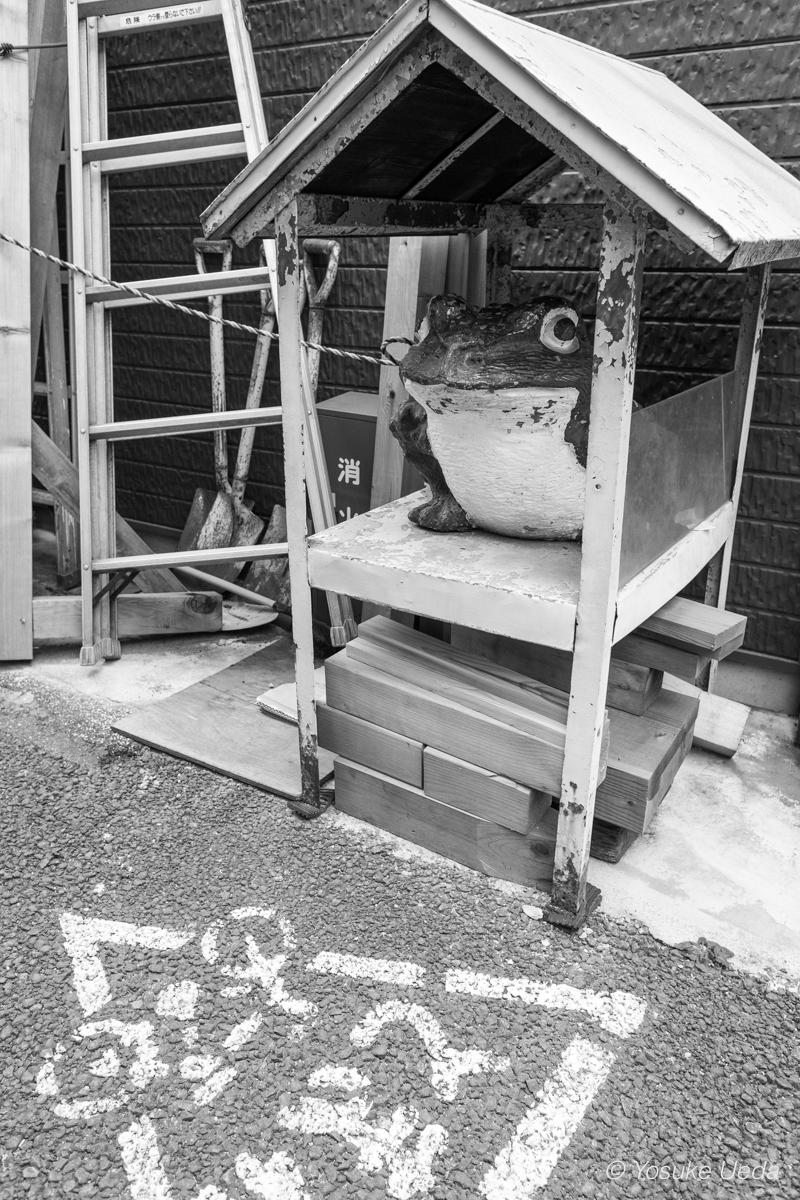
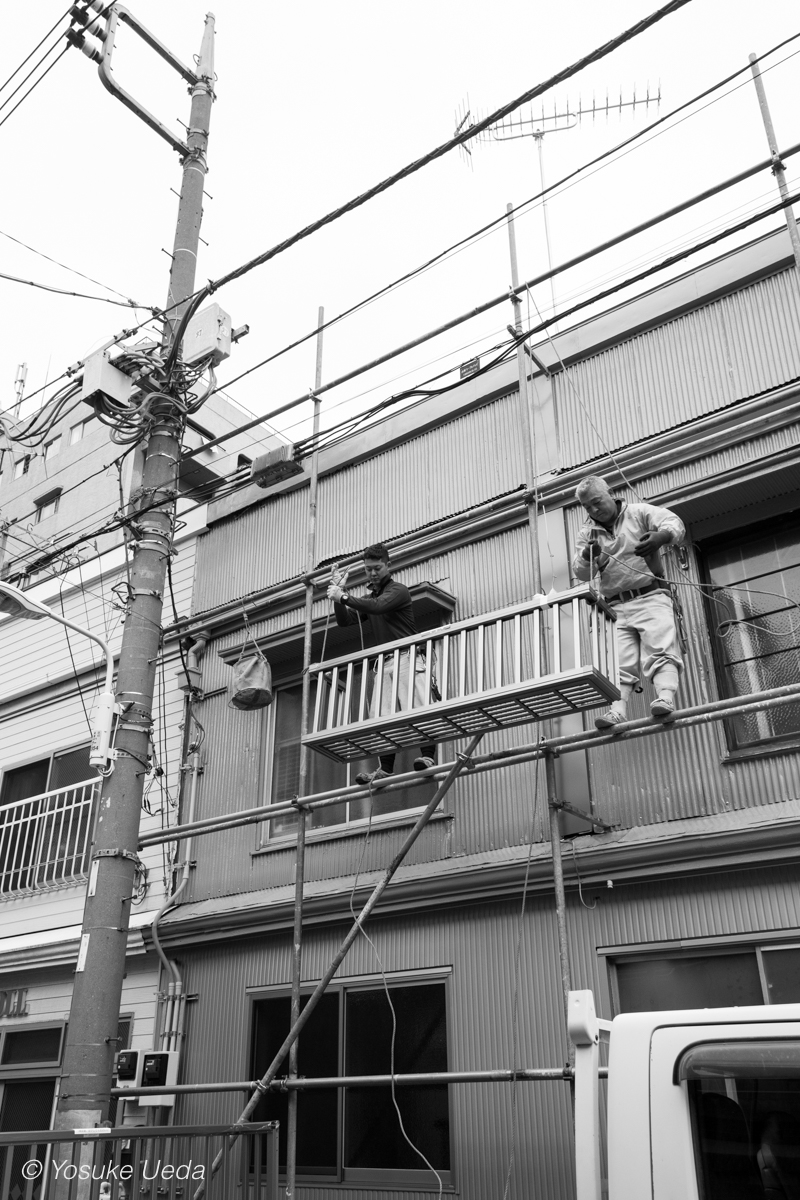
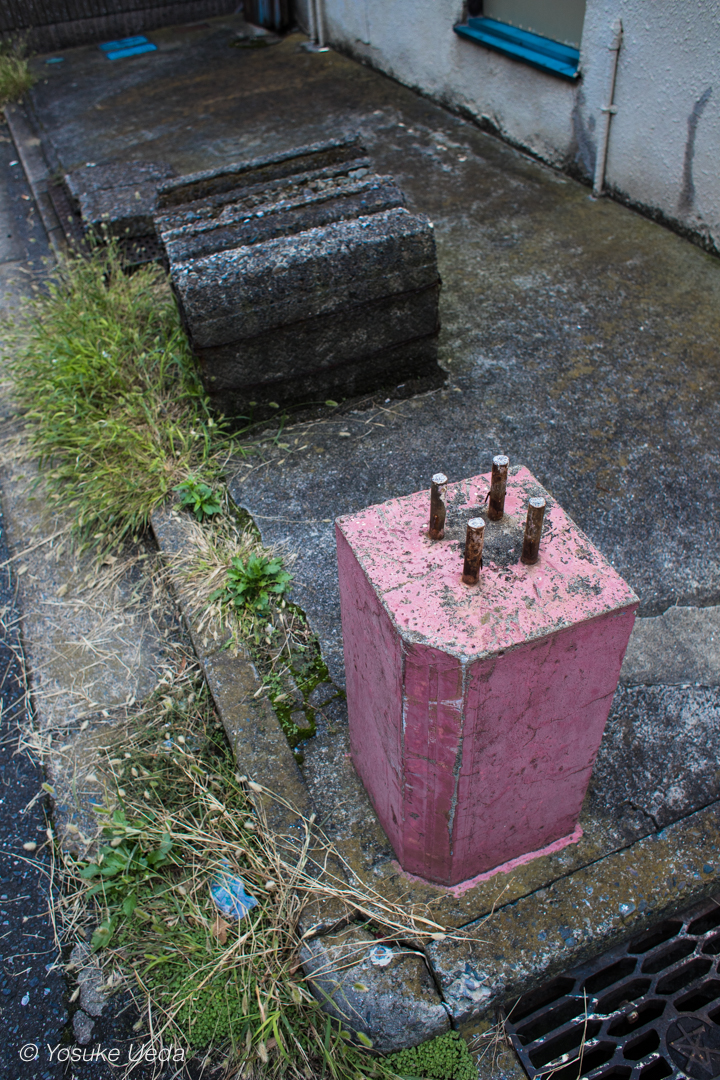
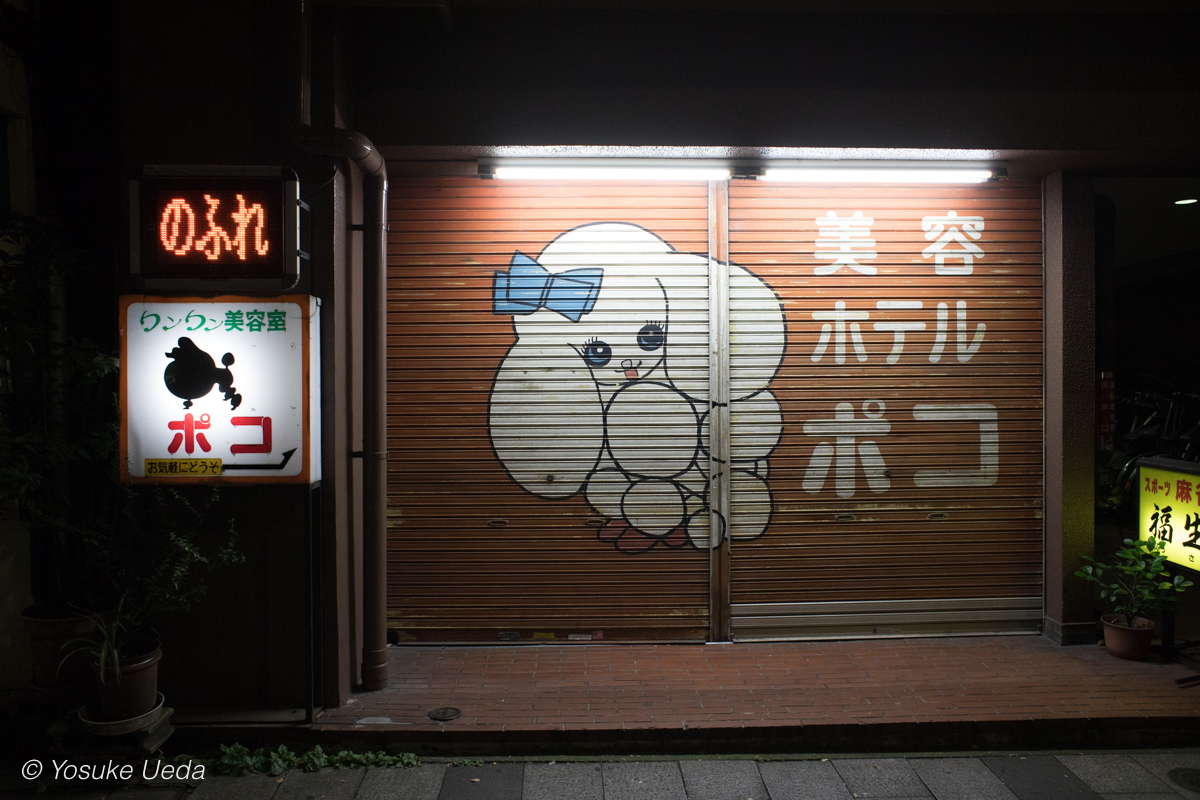
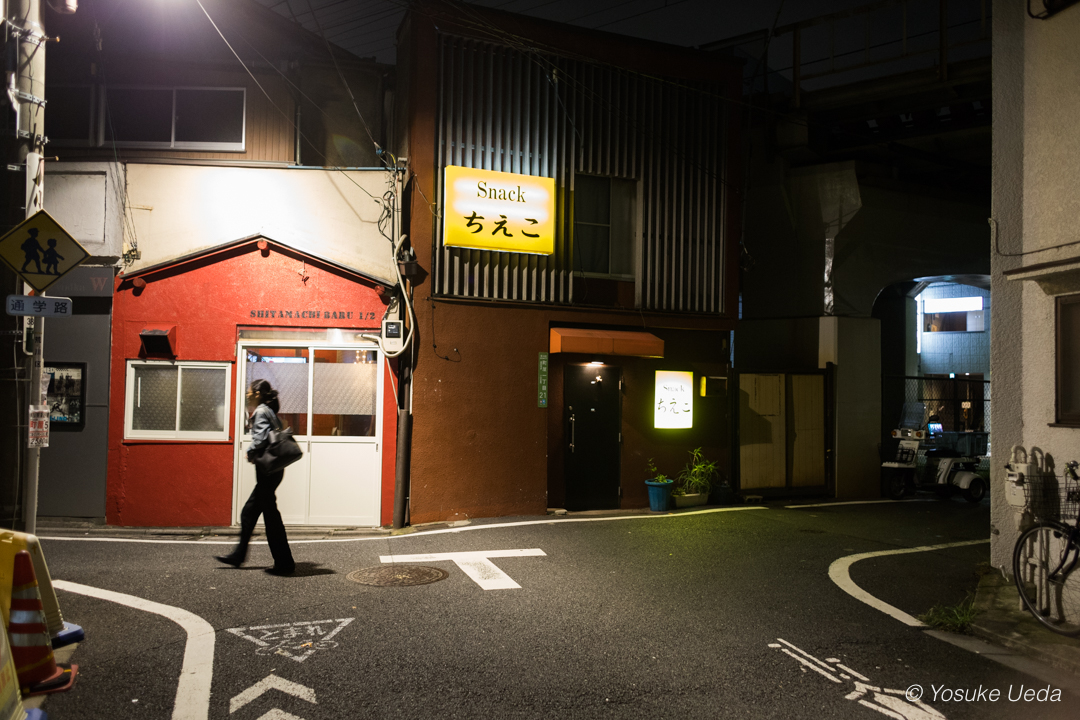
Walking on narrow streets of shitamachi was very nostalgic and mind bending. A tiny alleyway led to another alleyway, and it was like going through a maze of an old kingdom hiding secrets for an inquisitive photographer. Buildings were tightly packed together like a tin of sardines (and I am sure some of them were made of tins actually). Unlike those in European towns, which looked uniform and orderly, houses and buildings of the Tokyo downtown were randomly shaped and chaotic, which had a sense of own beauty and uniqueness. Small family owned shops and business were still operating, and they looked more colourful, humanistic, and authentic than 100 Yen shops, Uniqlo and ZARA stores popped up everywhere.
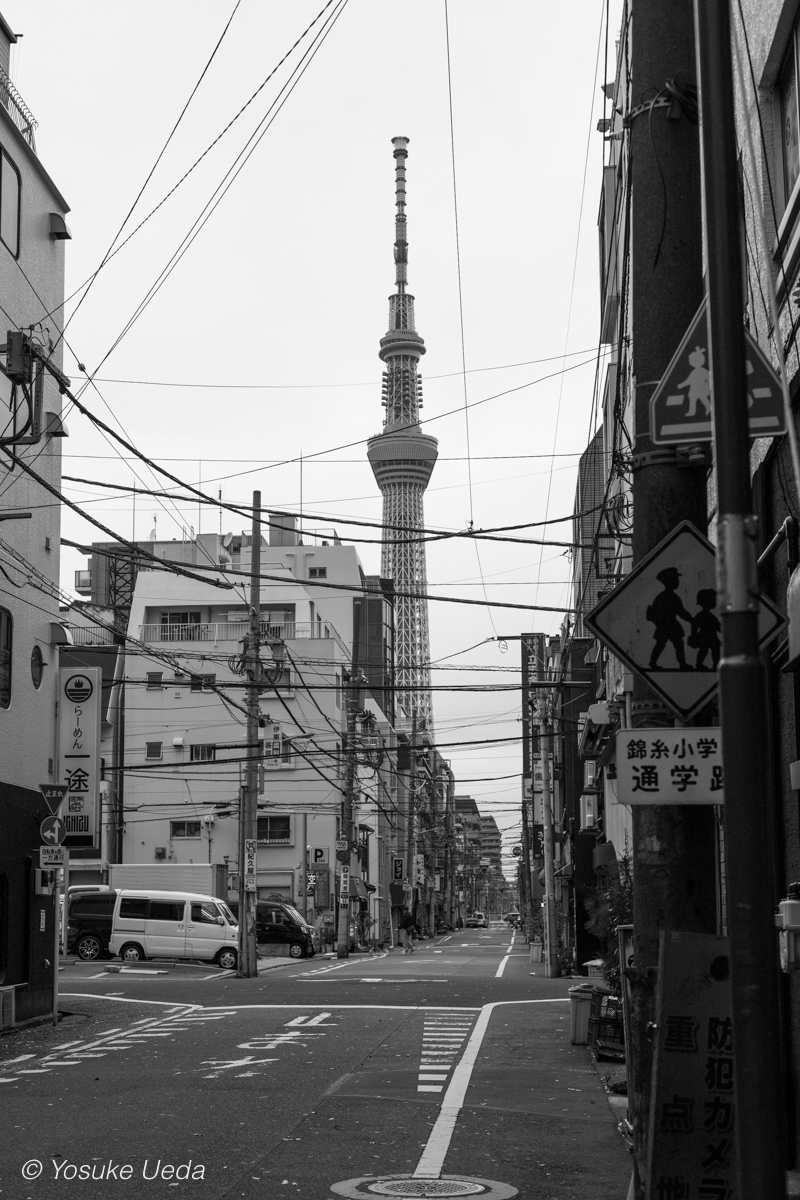
May be the place did change and the time has passed like everywhere else from a point of view of those living there every day. While I was walking on the streets around Asakusa, Kuramae, and through to Torigoe, I noticed that a new a new generation of artisans moved into the area converting old buildings and warehouses into stylish craft shops. Kiyoshimui Shriakawa have become a “coffee district” along side of historic buildings predating the Tokyo air raid. Not to mention they have Tokyo Sky Tree ripping the sky of shitamachi. There were some new waves of changes in Shitamachi definitely.
May be it got to do with my sense of nostalgia, which made me feel that the time has been stopped there. I guess it is only natural for those who left a hometown wishing that their familiar places will remain same. So when people do return, there will be a place waiting for them. Perhaps the time has passed much more slowly in my memory. After all, Einstein said time is not constant. Anyhow, it was nice to go back to the town of my root and catch up people I have not seen many years.
僕が小学校に上がるくらいまで、僕の家族は、墨田区の小さなマンションに住んでいた。その後ネズミの国が作られることになる埋め立て地の新興住宅地に引越したが、小学校の中学年になるまで、母の仕事の都合で、墨田区の学校に通っていた。学校から家に帰るのには、曳舟駅から京成線。浅草で乗り換えた銀座線の電気が、次の駅に近づくとパッと消えるのが不思議だった。母の車で帰る時は、砂町銀座で夕飯の買い物。祖父と祖母の家は、隅田川を挟んだ向こう側の台東区。遊びに行ったついでに上野の動物園や科学博物館によく連れって行ってもらった。正月の初詣と言えば浅草寺。夏には鳥越の縁日。だから、僕にとっての東京は、やはり下町というイメージ。
先週、祖母の葬儀に出るために東京に帰った。「ひ」と「し」の発音が特徴的な下町言葉を話す人だった。葬儀や何やらが終わって時間があったので、下町の路地を歩いてみた。久しぶりに見た下町の街は、あの頃とあまり変わっていないように感じた。オシャレなカフェや古い建物を改造した雑貨屋さんなどがあって新しい流れみたいなのを感じたが、小さな町工場や団子屋さん、話好きなおばあさんなど、僕の子ども時代からそのまんまの姿だった。そんなレトロな風景に、「バーン」と立つスカイツリーがむしろ場違いな風に見えた。
「何も変わっていないという感覚」は、自分の知っている故郷や田舎が変わらずそこにあってほしいという、生まれ育った場所を離れた人間のノスタルジーがそう思わせるのだろう。毎日そこに住んでいる人たちからすれば、変化は普通に起きていることなのかもしれない。おとといテレビで相対性理論の番組を見ていたが、時間が重力で曲がるというところで話はちんぷんかんになった。ただ、時間の経過は、アインシュタインが言うように、万人に普遍的な物ではないということは分かったが気がする。